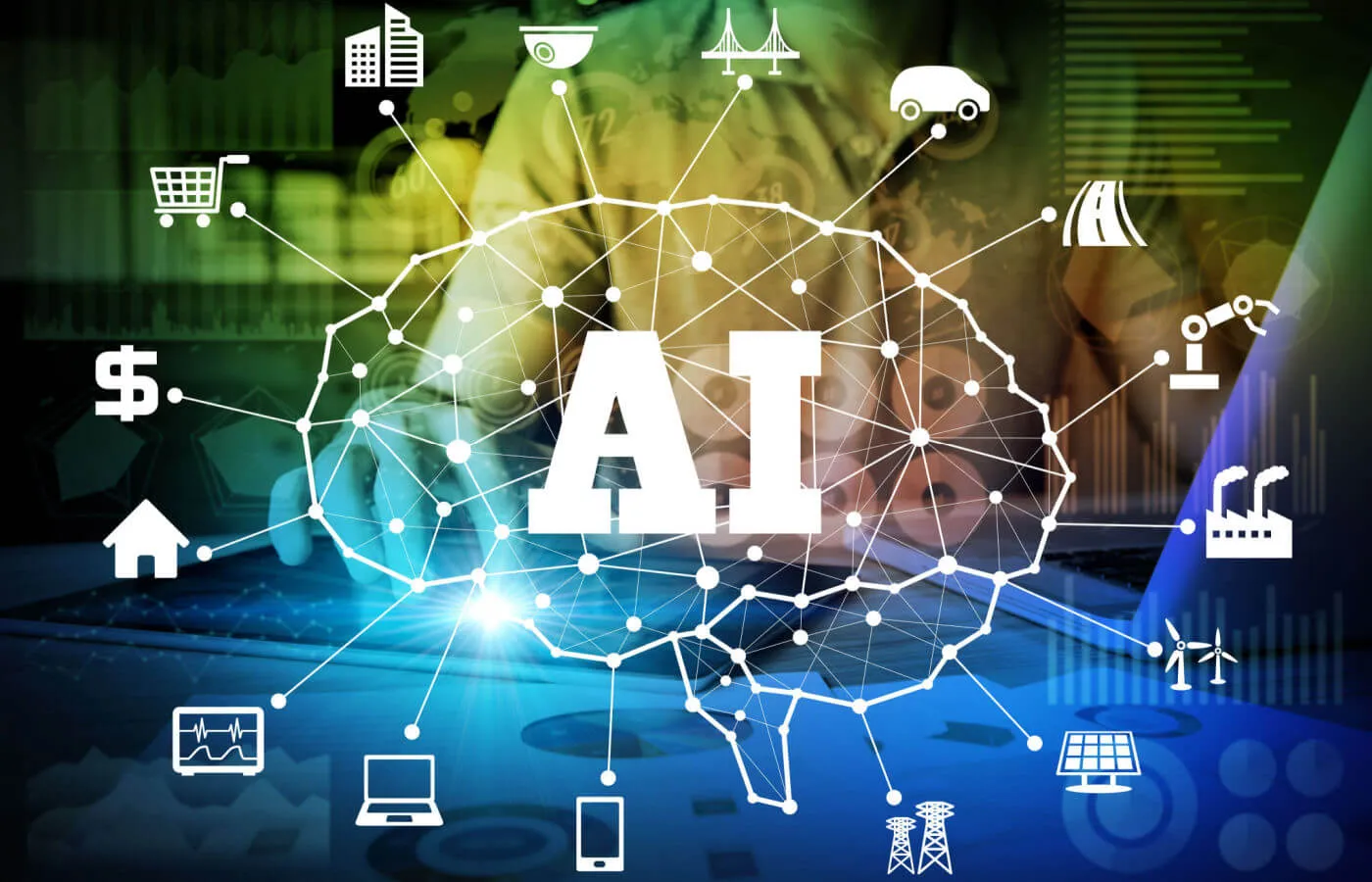
Artificial Intelligence, commonly known as AI, is no longer a futuristic concept – it’s already transforming the way we live, work, and interact. From voice assistants in smartphones to self-driving cars and automated medical diagnostics, AI is rapidly becoming an integral part of our daily lives. As the world continues to embrace digital transformation, AI stands at the forefront, revolutionizing industries and reshaping human potential.
What is AI?
At its core, AI refers to the simulation of human intelligence in machines. These intelligent systems are designed to think, learn, reason, and make decisions, much like the human brain. The capabilities of AI span various levels—from simple automation of repetitive tasks to complex problem-solving systems like chatbots, recommendation engines, and autonomous vehicles.
The concept of AI dates back decades, but recent advances in computing power, big data, and machine learning algorithms have accelerated its development and adoption. Today, businesses and individuals alike are leveraging AI to gain insights, improve efficiency, and enhance user experience.
The Impact of AI on Different Industries
One of the most significant advantages of AI is its ability to analyze large volumes of data quickly and accurately. This strength has opened up endless possibilities across various sectors:
1. Healthcare
In the healthcare industry, AI is helping doctors make faster and more accurate diagnoses. Systems powered by AI can analyze medical images, detect diseases like cancer, and predict patient outcomes. Additionally, AI chatbots are being used to provide preliminary consultations, saving time and resources.
2. Finance
In finance, AI is being used for fraud detection, risk assessment, algorithmic trading, and personalized banking. AI-powered tools can analyze spending behavior and detect suspicious activities within seconds. This proactive approach is helping financial institutions prevent loss and enhance customer trust.
3. Education
AI in education is personalizing learning experiences. Adaptive learning platforms can identify a student’s strengths and weaknesses and adjust lessons accordingly. Virtual tutors, powered by AI, offer 24/7 academic support, especially helpful in remote learning environments.
4. Retail
Retailers are using AI to improve customer service and boost sales. Recommendation engines analyze user preferences to suggest relevant products, while chatbots handle queries in real-time. Inventory management and logistics have also become more efficient with AI automation.
5. Manufacturing
Smart factories are driven by AI and the Internet of Things (IoT). Predictive maintenance, robotic automation, and quality control systems ensure better productivity and reduced downtime. AI helps manufacturers stay competitive in an increasingly digital market.
AI and the Workforce
A common concern surrounding AI is its potential to replace human jobs. While it’s true that AI can automate certain repetitive tasks, it also creates new opportunities. As routine jobs get automated, workers can upskill and shift to more strategic, creative, or technical roles.
In fact, AI has led to the rise of entirely new professions like AI trainers, data scientists, and machine learning engineers. Companies are now investing in AI literacy programs to equip employees with the skills needed to collaborate with intelligent systems.
Moreover, the use of AI in human resources has made recruitment more efficient. AI-driven tools can screen resumes, schedule interviews, and even conduct initial assessments, allowing HR professionals to focus on the more human aspects of hiring.
Ethical Considerations and Challenges
Despite its benefits, AI also brings forth ethical and technical challenges. Bias in AI algorithms, privacy concerns, and the lack of transparency in decision-making processes are issues that require careful attention.
For instance, if an AI system is trained on biased data, it may produce unfair or discriminatory results. This has been observed in facial recognition technologies and hiring algorithms. Therefore, building ethical AI systems involves ensuring fairness, accountability, and inclusiveness.
Another pressing concern is data privacy. Since AI systems rely heavily on data, it’s crucial to have robust security protocols in place. Governments and organizations must work together to establish regulations and frameworks for responsible AI development.
The Future of AI
The future of AI holds exciting possibilities. From enhancing creativity to aiding scientific discoveries, AI will continue to be a powerful tool for innovation. In the coming years, we can expect more intelligent personal assistants, smarter cities, improved healthcare solutions, and advanced language translation technologies.
One emerging trend is explainable AI (XAI), which aims to make AI decisions more transparent and understandable to users. This will play a key role in building public trust and promoting wider adoption.
Moreover, as quantum computing evolves, it will further boost AI capabilities, enabling systems to solve problems that were previously deemed impossible.
Why Embracing AI is Essential
Whether you’re a student, entrepreneur, or professional, understanding and embracing AI is essential in the modern world. Learning about AI not only prepares you for future job markets but also empowers you to use technology responsibly and creatively.
Governments, educational institutions, and businesses must collaborate to ensure that AI is developed and used ethically. This includes investing in research, supporting innovation, and creating inclusive policies that address the digital divide.
Conclusion
AI is not just a buzzword—it’s a transformative force that’s redefining how we interact with the world. From improving healthcare outcomes to driving economic growth, the potential of AI is vast and promising. However, it also demands responsible innovation, transparency, and a human-centric approach.
As we stand on the brink of an AI-powered future, it’s crucial to ensure that this technology serves humanity in the best possible way. The more we understand and guide the development of AI, the more we can unlock its true potential for good.
In summary, AI is revolutionizing industries, enhancing lives, and paving the way for a smarter, more efficient world. Embracing AI today means preparing ourselves for the future—one where technology and humanity can thrive together.